
Blog
Unrush App Launched: Qiyin Technology Pioneers the Era of the Agentic Player
Tired of endless scrolling on streaming apps? Discover the Unrush App, an AI-native player by Qiyin Technology that translates your ambiguous intent into real-time, personalized soundscapes. Welcome to the Agentic Player era.
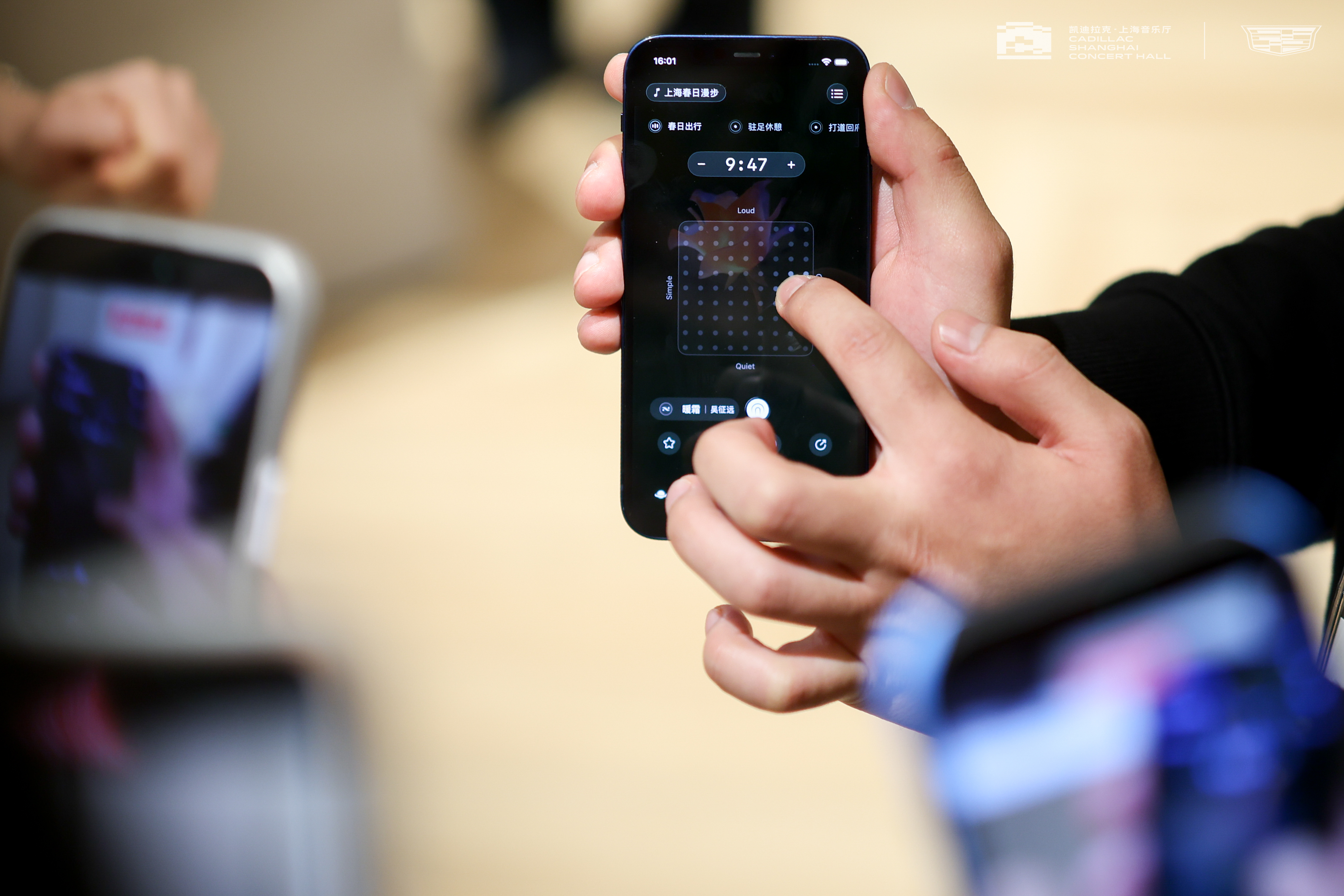
(March 28, 2026, Shanghai) Late last month, a quiet revolution in sound took place inside the Cadillac Shanghai Concert Hall. "Qiyin Technology," a generative AI music startup, officially released its inaugural player product—the Unrush App. This marks not just the birth of an innovative music player, but a profound exploration of music's true essence: sound should ultimately serve human contextual needs, rather than forcing listeners to passively accept hyper-labeled, static audio.
The Distribution Dilemma of the Streaming Era: Why Do We Have "Nothing to Listen to" in a 250-Million Song Library?
Statistically, around 100,000 new songs flood streaming platforms every single day, yet very few actually resonate with listeners. We are facing a massive paradox: in an era with the most abundant supply of music in human history, our ultimate auditory needs remain unmet, leaving a growing sense of emptiness.
According to the Luminate 2025 Year-End Music Report, the top 0.2% of tracks on streaming platforms account for nearly 50% of total plays. [1] This means that 99.8% of music has been reduced to "zombie data" under the traditional 'file management' model. The emergence of the Unrush App is designed precisely to break this inefficient, centralized distribution.
At the launch event, Qiyin Technology founder Peter threw a soul-searching question to the audience: "Here is a shocking reality—when we open a streaming media app, we immediately face a library of 250 million songs. Yet, we still feel like we have nothing to listen to. Why?"
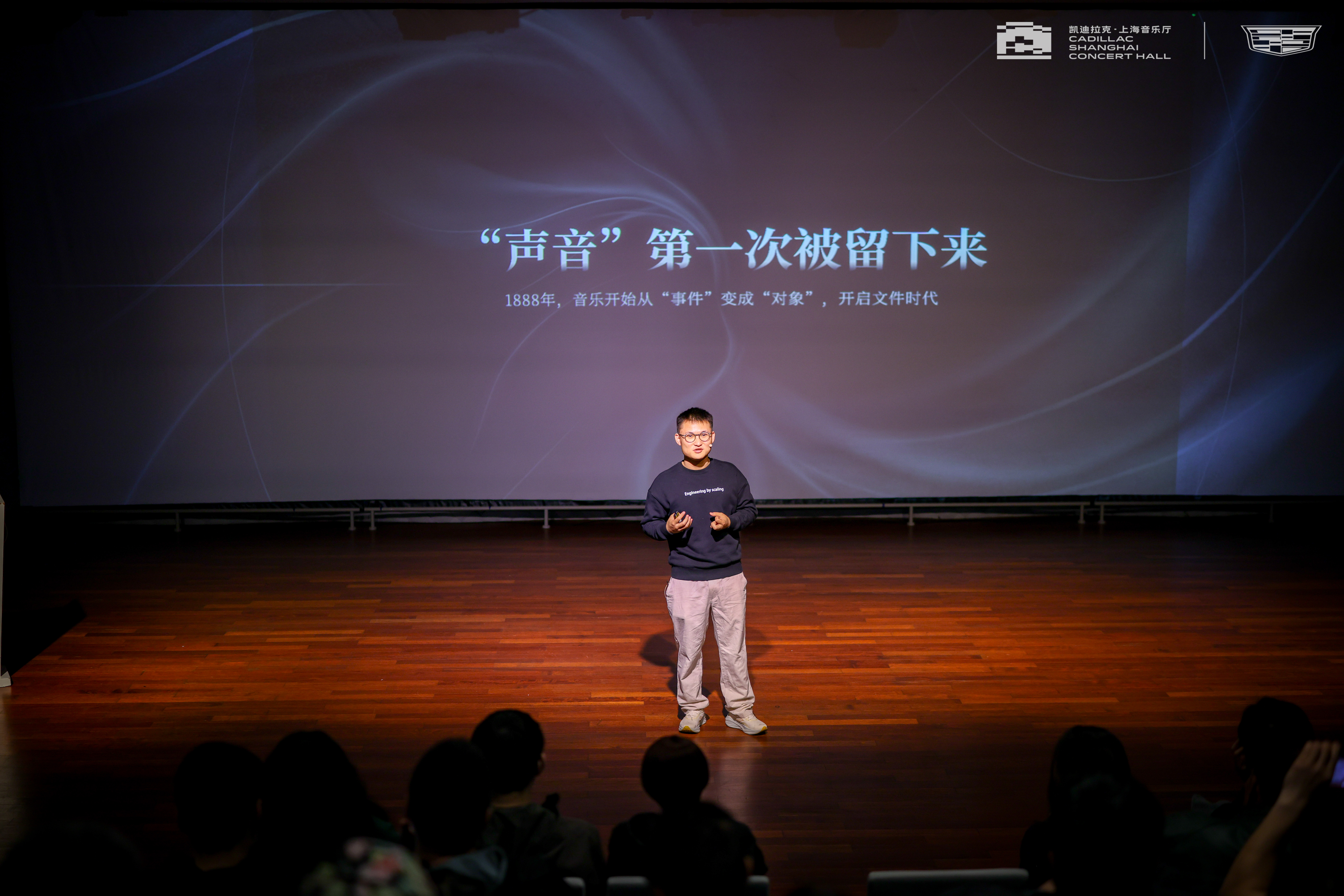
He pointed out that over the past 200 years, the music industry has commodified flowing sound, mass-producing it into "music files" that can be sold and copied. Consequently, listeners have grown accustomed to operating progress bars, hitting pause and play, and managing their emotions as if they were managing digital files. However, music should inherently be an order that serves emotions and states of mind, not a cold digital format.

Defining the Agentic Player: Unrush Uses an AI-Native Architecture to Understand "Ambiguous Intent"
You have undoubtedly experienced this scenario: you want to listen to music, but you don't know what to listen to. You are forced to helplessly open a traditional music player and search through playlists categorized by someone else's preferences—inevitably stumbling upon tracks you simply don't like.
The creation of the Unrush App aims to shatter this mechanical "file manager" logic. As the next-generation Agentic Player, it no longer relies on your keyword searches. Instead, it prioritizes "understanding" your underlying needs, decoding your ambiguous intent.
Unlike the pre-recorded tracks of traditional players, every audio experience brought by Unrush is rendered in real-time.
"It's not about clicking play on a song; it's about entering a sonic experience," Peter emphasized during his speech. This is a brand new way of consuming music and a novel approach to managing the "entropy" of daily life.
The core engine powering the Unrush App can process multi-modal context in real time. By analyzing a user's biological rhythms and environmental parameters, it drives an AI real-time rendering engine to generate adaptive soundscapes.
Peter painted a vivid picture of these scenarios: whether you are stepping into a freezing winter morning or just finishing a heart-racing meeting, Unrush acutely senses your environment. It abandons fixed tracks in favor of generating an ever-evolving, non-repeating soundscape. If your heart rate is high, the sound turns warm and deep, guiding you back to a calm state; if you are in a state of deep focus, it maintains a low-frequency stability, safeguarding your hard-earned concentration.
Unrush App: Core Scenario Solutions
| User Scenario | Traditional Player Pain Points (File Mode) | Unrush Solution (Agentic Mode) |
|---|---|---|
| Late-Night Sleep | Jumpy playlists, uneven volume, requires repeated manual adjustments. | Real-time rendered soundscapes that slow down in sync with your breathing and heart rate. |
| Deep Focus | Distracting lyrics or mismatched genres break concentration. | Dynamic flow that automatically adapts to your cognitive rhythm, maintaining your "flow state." |
| Anxiety Relief | Unable to search for the "right" song for the moment. | Ambiguous intent recognition, delivering the right sound without needing a search query. |
| Long Commutes | Noisy environments; manually skipping songs poses safety risks. | Multi-modal sensing that adjusts audio textures in real-time based on environmental noise. |
| Emotional Release | Lack the mental energy to search, select, or identify music. | Adaptive experience that perfectly aligns with your biological and lifestyle rhythms. |
From Fragments to Flow: Qiyin Technology Rebuilds the AI Music Creation Ecosystem
Qiyin Technology's ambitions extend far beyond the playback side. It was revealed at the press conference that a brand new Agent product targeting B2B clients and specific creators will be launched in the second half of 2026. This system will transform a creator's deliverable from a single "file" into a comprehensive output of "aesthetics and worldview." [2]
Today, as our attention spans are infinitely overdrawn, people urgently need a way to directly access the most fundamental value of music—emotional states. The Unrush App is cultivating music back into a process that is organically organized and unfolded.
Currently, the Unrush App is iterating and optimizing in its Beta version. This experiment, starting from C-end consumer needs and gradually expanding to the creation side, invites everyone who refuses to be lost in the noise to press the button named "Unrush" and rediscover the true essence of sound.
Product Vision: Visit the Official Qiyin Technology Unrush Website
References
- Luminate (2025). 2025 Year-End Music Report: Digital Streaming and Consumption Trends.
- Agentic AI Systems Framework (2025). From Files to Experiences: The Evolution of Digital Media Delivery.
Related Articles
Related articles

What is Functional Music? How Specific Sound Frequencies Calm and Focus Your Brain
Functional music is designed for outcomes, not entertainment. Learn how brainwave entrainment, binaural beats, and sound design can help improve focus, relaxation, and sleep.
Struggling to Fall Asleep? How Functional Music Guides Your Brain into Deep Sleep
When sleeplessness keeps your brain in a high-frequency, hyper-alert state, functional music can help guide it toward slower rhythms that support deeper rest.